
Music Catalogue Meaning
Music Catalogue Meaning - A music catalogue is not a magic word, but a collection of musical compositions, in particular their copyrights, which come from one and the same artist. It represents their body of work and. A music catalog can range from a few songs to thousands of tracks, and it can be a valuable asset for artists, producers, and record labels. Let’s break it down into simpler terms. A music catalogue is a collection of songs or albums owned by a particular person. A music catalog, in simple terms, refers to the collection of songs an artist owns. What is a music catalog? In this article, we’ll dive deeper into the. In the music industry, a catalogue refers to a collection of a recording artist’s, band’s, or composer’s music works, including songs, albums, and other musical compositions. It encompasses their entire discography, including albums, singles, and any unreleased tracks. What is a music catalog? A music catalog can range from a few songs to thousands of tracks, and it can be a valuable asset for artists, producers, and record labels. In this article, we’ll dive deeper into the. Creating a music catalog is an essential step for musicians, songwriters, and producers alike, as it helps organize and protect their creative work while providing. The owner owns the copyrights of the cataloged compositions. It encompasses their entire discography, including albums, singles, and any unreleased tracks. The owner of a music catalog controls the copyrights, enabling them to license and manage their music for various uses. Let’s break it down into simpler terms. It's the total sum of the copyright registered to an entity's name be it an artist or a. A music catalog, in simple terms, refers to the collection of songs an artist owns. A music catalogue is a collection of songs or albums owned by a particular person. A music catalog, in simple terms, refers to the collection of songs an artist owns. It's the total sum of the copyright registered to an entity's name be it an artist or a. What is a music catalog? The owner owns the copyrights of the. Put simply, a music catalog is a collection of songs, compositions, and recordings that a musician or songwriter owns the rights to. The owner of a music catalog controls the copyrights, enabling them to license and manage their music for various uses. It encompasses their entire discography, including albums, singles, and any unreleased tracks. The owner owns the copyrights of. A music catalog, in simple terms, refers to the collection of songs an artist owns. It represents their body of work and. In the music industry, a catalogue refers to a collection of a recording artist’s, band’s, or composer’s music works, including songs, albums, and other musical compositions. A music catalog can range from a few songs to thousands of. What is a music catalog? A music catalog, in simple terms, refers to the collection of songs an artist owns. It's the total sum of the copyright registered to an entity's name be it an artist or a. In the music industry, a catalogue refers to a collection of a recording artist’s, band’s, or composer’s music works, including songs, albums,. It's the total sum of the copyright registered to an entity's name be it an artist or a. A music catalog is a comprehensive list or inventory of all the songs, compositions, recordings, and other musical works owned or controlled by a music publisher, record label,. Put simply, a music catalog is a collection of songs, compositions, and recordings that. A music catalog, in simple terms, refers to the collection of songs an artist owns. The owner owns the copyrights of the cataloged compositions. In the music industry, a collection of musical compositions is cataloged into a music catalog. Your music catalog is the collection of all the songs you own or control. Let’s break it down into simpler terms. It encompasses their entire discography, including albums, singles, and any unreleased tracks. In this article, we’ll dive deeper into the. Your music catalog is the collection of all the songs you own or control. Creating a music catalog is an essential step for musicians, songwriters, and producers alike, as it helps organize and protect their creative work while providing. A. Creating a music catalog is an essential step for musicians, songwriters, and producers alike, as it helps organize and protect their creative work while providing. A music catalogue is a collection of songs or albums owned by a particular person. What is a music catalog? A music catalog is a comprehensive list or inventory of all the songs, compositions, recordings,. In the music industry, a collection of musical compositions is cataloged into a music catalog. What is a music catalog? It's the total sum of the copyright registered to an entity's name be it an artist or a. Put simply, a music catalog is a collection of songs, compositions, and recordings that a musician or songwriter owns the rights to.. Put simply, a music catalog is a collection of songs, compositions, and recordings that a musician or songwriter owns the rights to. The owner owns the copyrights of the cataloged compositions. In the music industry, a collection of musical compositions is cataloged into a music catalog. Creating a music catalog is an essential step for musicians, songwriters, and producers alike,. The owner of a music catalog controls the copyrights, enabling them to license and manage their music for various uses. In this article, we’ll dive deeper into the. A music catalog can range from a few songs to thousands of tracks, and it can be a valuable asset for artists, producers, and record labels. It encompasses their entire discography, including albums, singles, and any unreleased tracks. A music catalog, in simple terms, refers to the collection of songs an artist owns. What is a music catalog? A music catalogue is a collection of songs or albums owned by a particular person. Put simply, a music catalog is a collection of songs, compositions, and recordings that a musician or songwriter owns the rights to. A music catalogue is not a magic word, but a collection of musical compositions, in particular their copyrights, which come from one and the same artist. The owner owns the copyrights of the cataloged compositions. It's the total sum of the copyright registered to an entity's name be it an artist or a. In the music industry, a collection of musical compositions is cataloged into a music catalog. Your music catalog is the collection of all the songs you own or control. In the music industry, a catalogue refers to a collection of a recording artist’s, band’s, or composer’s music works, including songs, albums, and other musical compositions. Creating a music catalog is an essential step for musicians, songwriters, and producers alike, as it helps organize and protect their creative work while providing.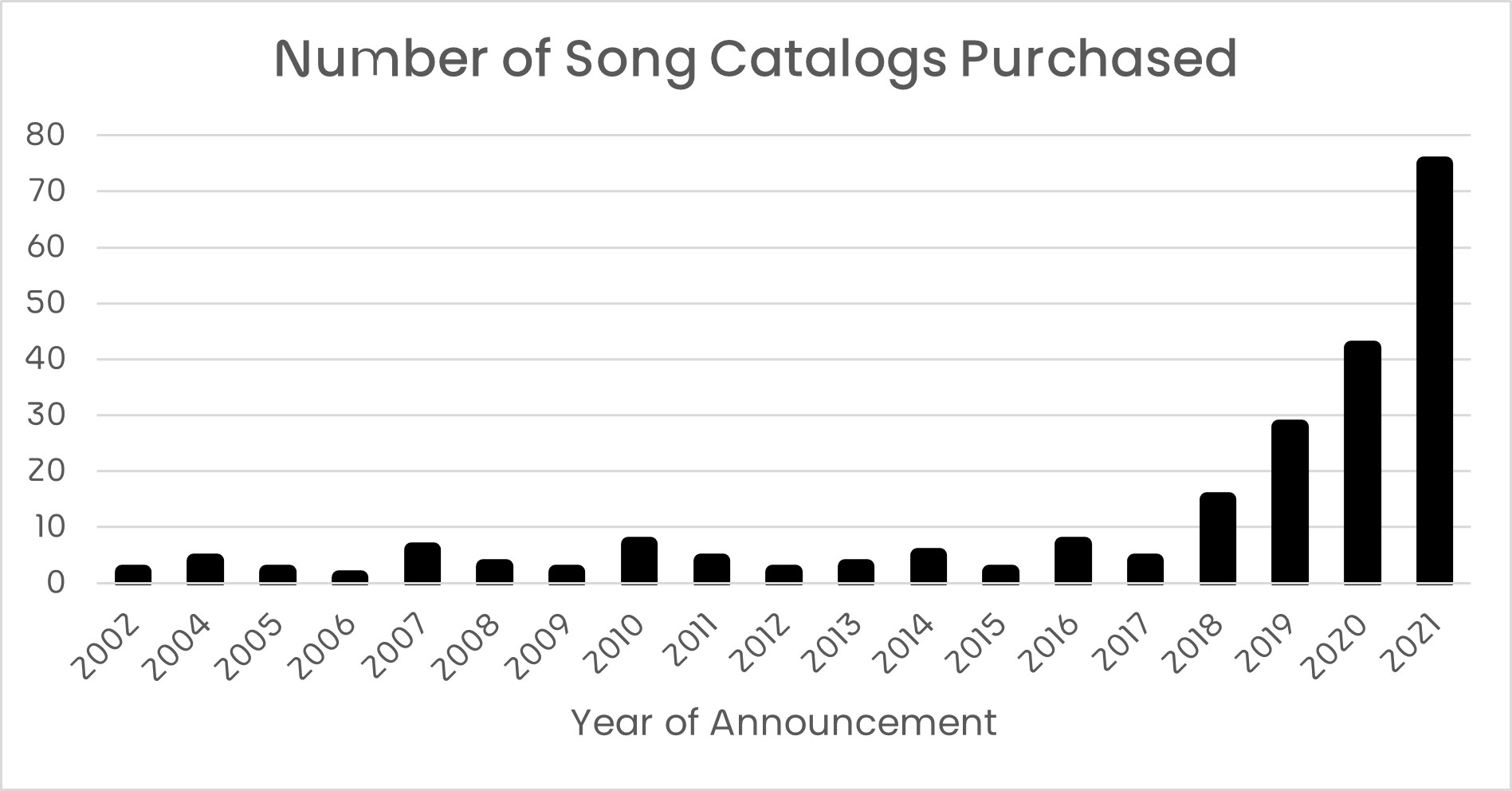
Understanding Two Decades of Music Catalog Purchases CNMlab

St. Louis Music Catalog Marsh Gooch Portfolio
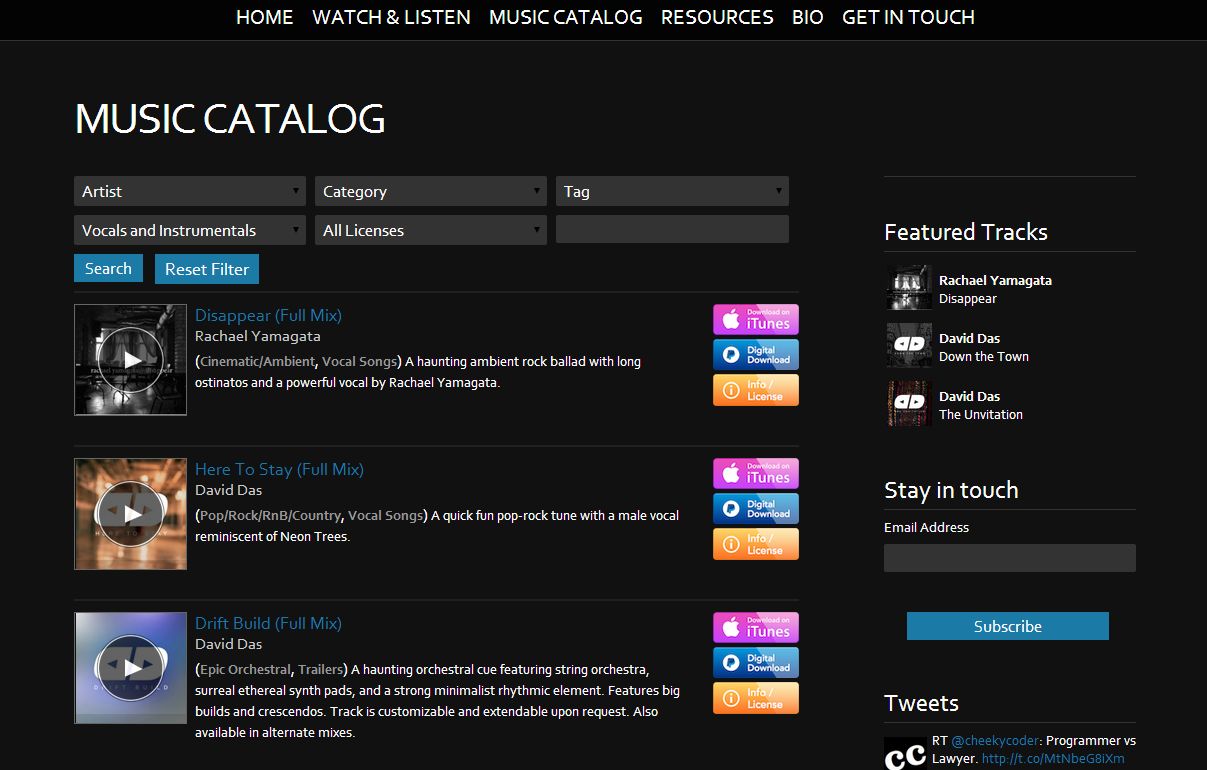
How to build a large music catalog with Views and custom search. A case

Why are artists selling their music catalogs?

Music Catalog Meaning A Beginner’s Guide to the Heart of the Music
Catalogs
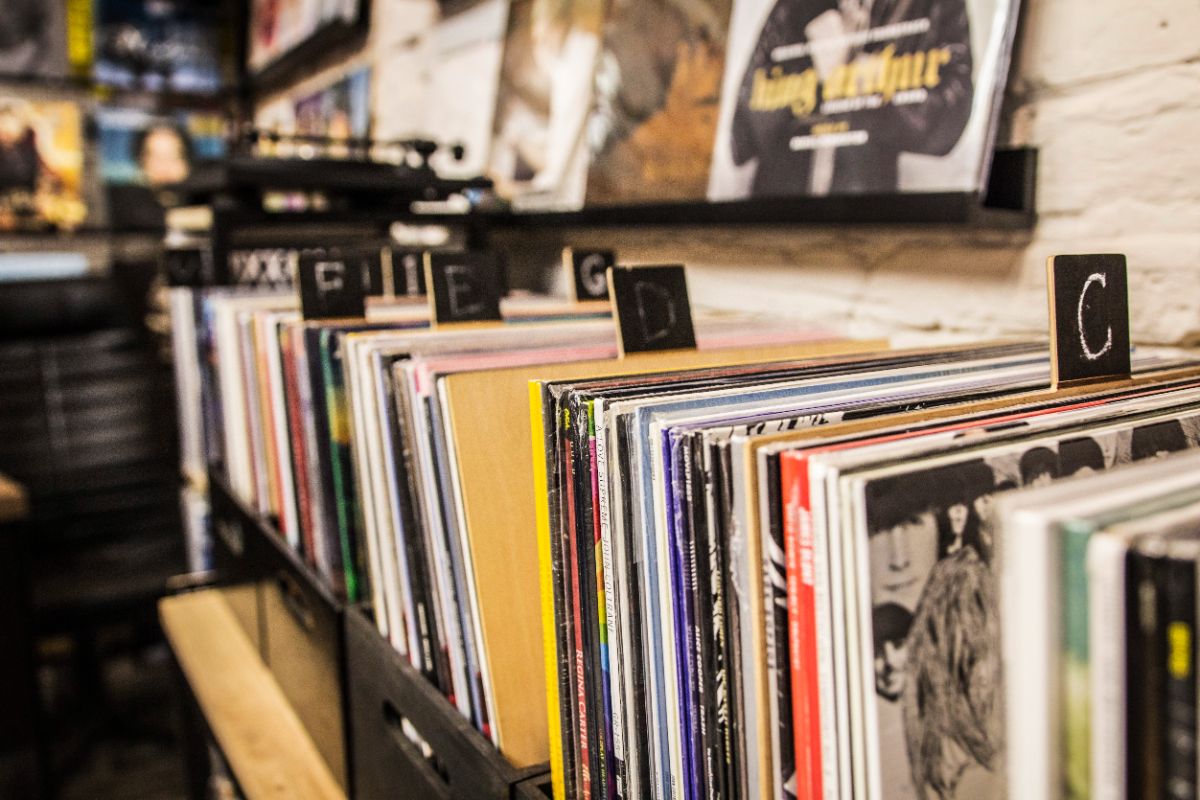
When a Musician Sells their Catalogue of Music, Can they Still Perform

Inside Music Catalogue Inside Music
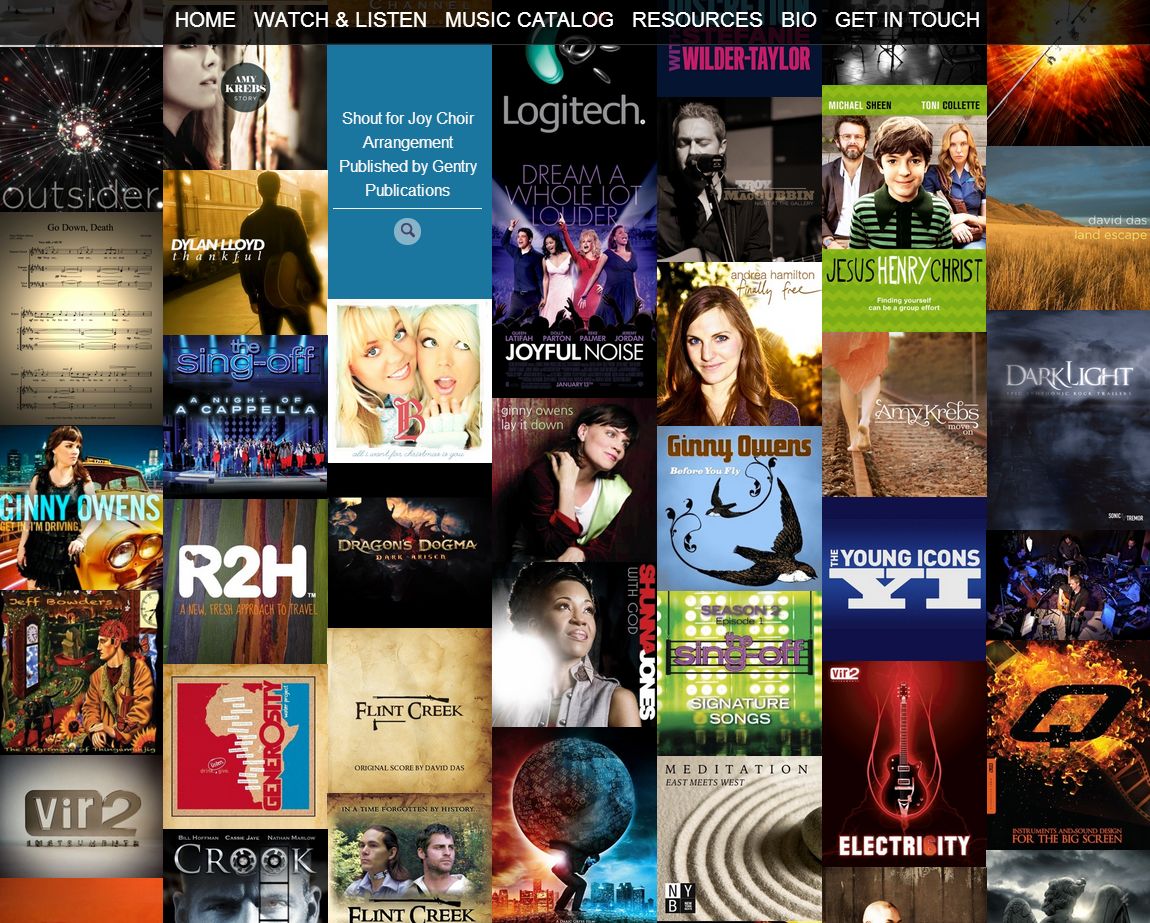
How to build a large music catalog with Views and custom search. A case
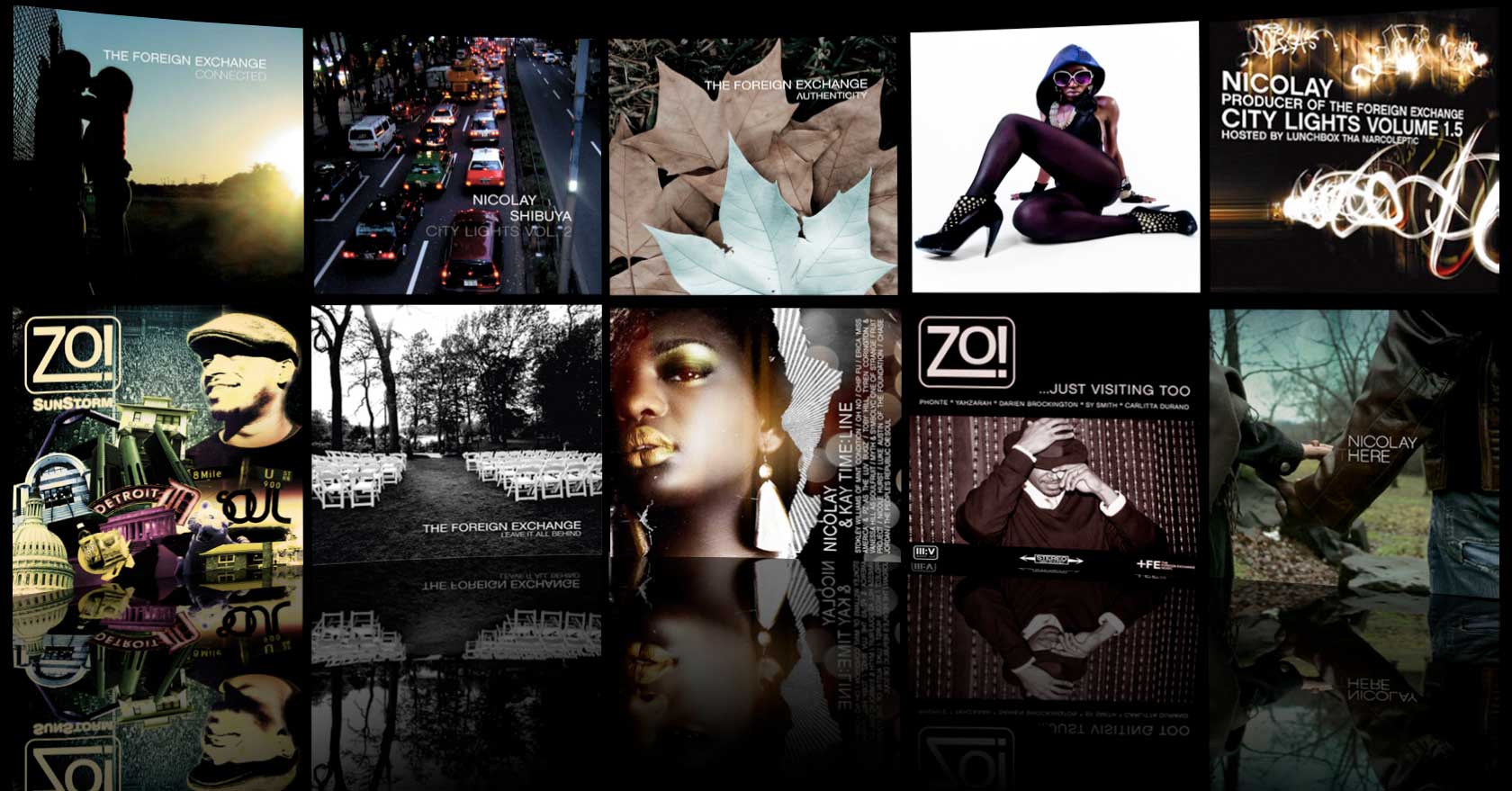
Use this Music Catalog Software to Organize Your Collection En.blog
It Represents Their Body Of Work And.
What Is A Music Catalog?
Let’s Break It Down Into Simpler Terms.
A Music Catalog Is A Comprehensive List Or Inventory Of All The Songs, Compositions, Recordings, And Other Musical Works Owned Or Controlled By A Music Publisher, Record Label,.
Related Post: